
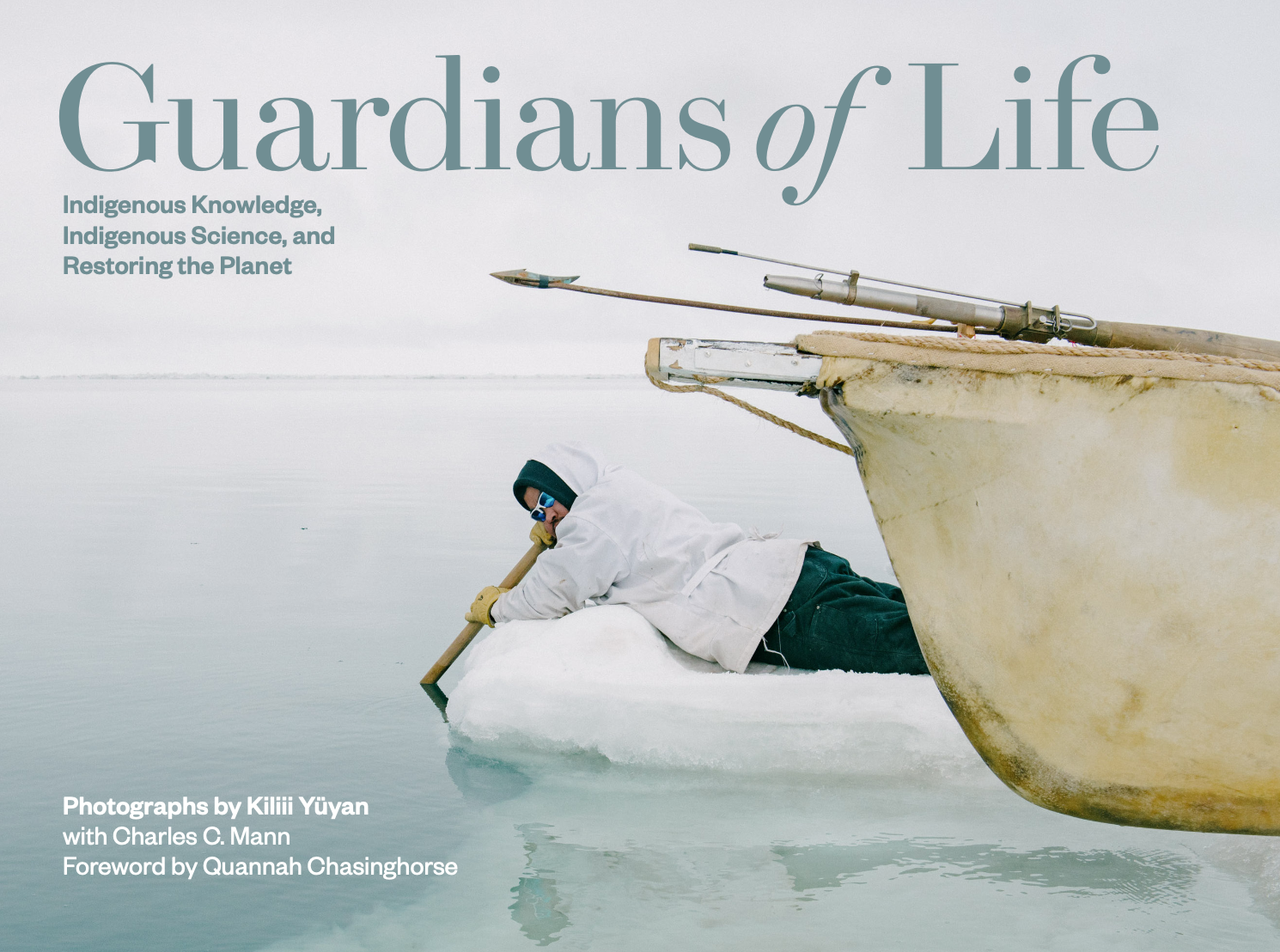
Available Spring 2026!
How have the world’s most iconic natural wonders—the Pacific’s coral reefs, the Amazon rainforest, the Arctic tundra—remained so vibrant? They have flourished under the careful guidance of Indigenous peoples for thousands of years. Guardians of Life reveals why these communities are the planet’s most effective conservationists. Join National Geographic photographer Kiliii Yüyan, bestselling author Charles Mann, and a chorus of Indigenous contributors on a breathtaking visual journey—from Mongolia’s sacred mountains to Australia’s fire-managed woodlands—celebrating the power of Indigenous values, traditional ecological knowledge, and modern innovation in protecting the life that sustains our planet.
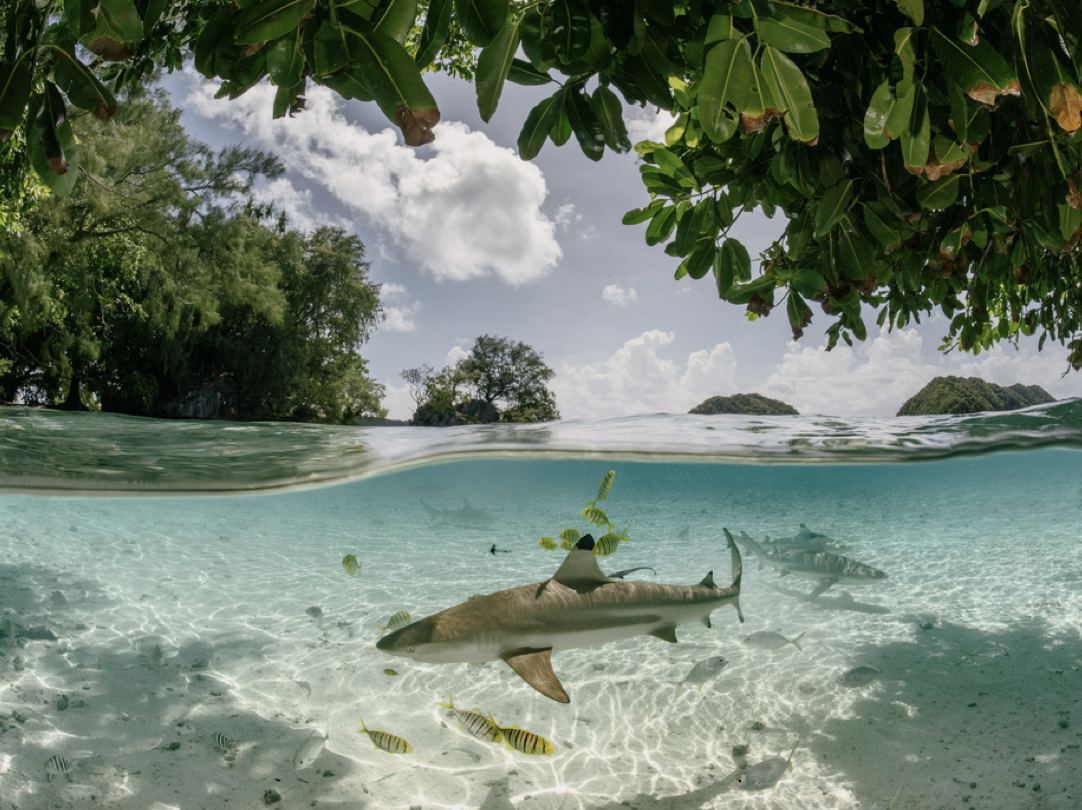
“Indigenous peoples have mastered the art of living on Earth without destroying it. They continue to teach and lead by example. We must heed these lessons, if we want our grandchildren to have a future.”
—Jon Waterhouse, S’klallam, Chippeqa-Cree
About the Contributors
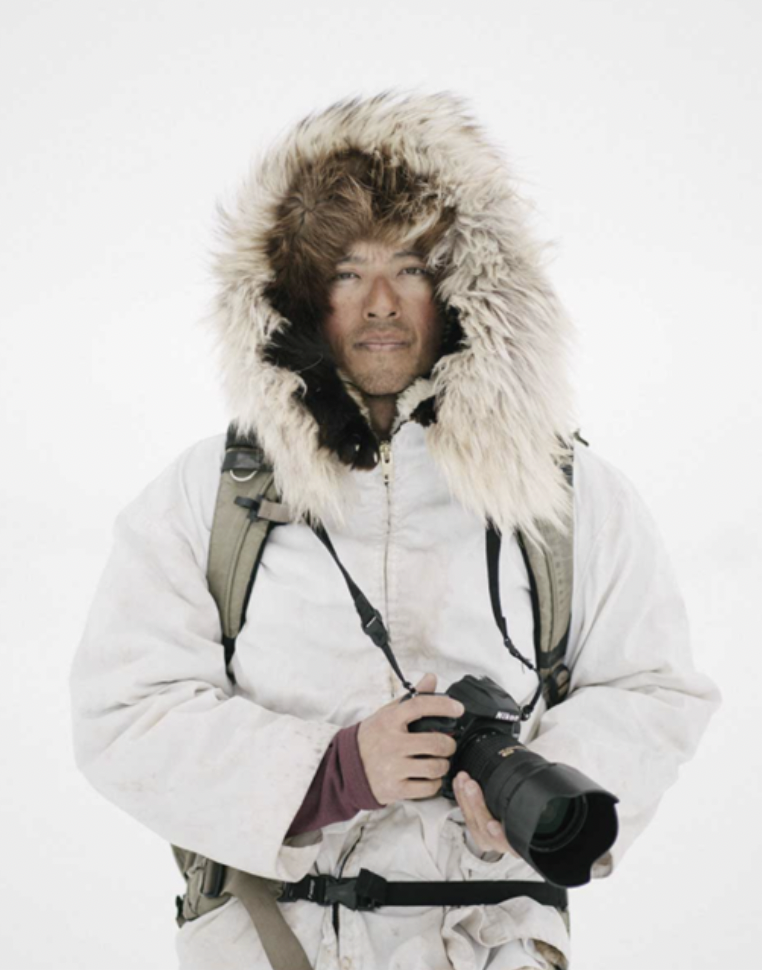
Kiliii Yüyan
Photographer and National Geographic Explorer KILIII YÜYAN (Author and Photographer) brings to life stories from the Arctic sea ice, beneath the waves, and within the heart of human communities. Of Chinese and Nanai/Hèzhé (East Asian Indigenous) descent, he works through a cross-cultural lens, exploring how humanity—inseparable from the natural world—lives in relationship with land and sea.
Kiliii has spent years immersed in the polar regions, documenting Indigenous lifeways, marine ecosystems, and remote landscapes. His fieldwork is shaped by experience in the field: he has faced down a stalking polar bear, dived among sea snakes, and found connection and understanding among people often overlooked at the world’s edges. His photography and storytelling appear in National Geographic, TIME, Vogue, WIRED, and other major publications. He also builds traditional kayaks, maintaining a living link to his northern Indigenous heritage.
In 2023, Kiliii was honored with the Eliza Scidmore Award for Outstanding Storytelling, one of National Geographic’s highest recognitions. His work has been recognized by Pictures of the Year, Leica Oscar-Barnack, PDN, and ASMP, and is held in museum collections across the U.S.
A dynamic speaker and storyteller, Kiliii has taken the stage at TEDx, toured with NatGeo Live, and now keynotes through Changemaker Talent, sharing the human stories behind his images. Based in Seattle, he is more commonly found beneath the sea or atop Arctic ice.
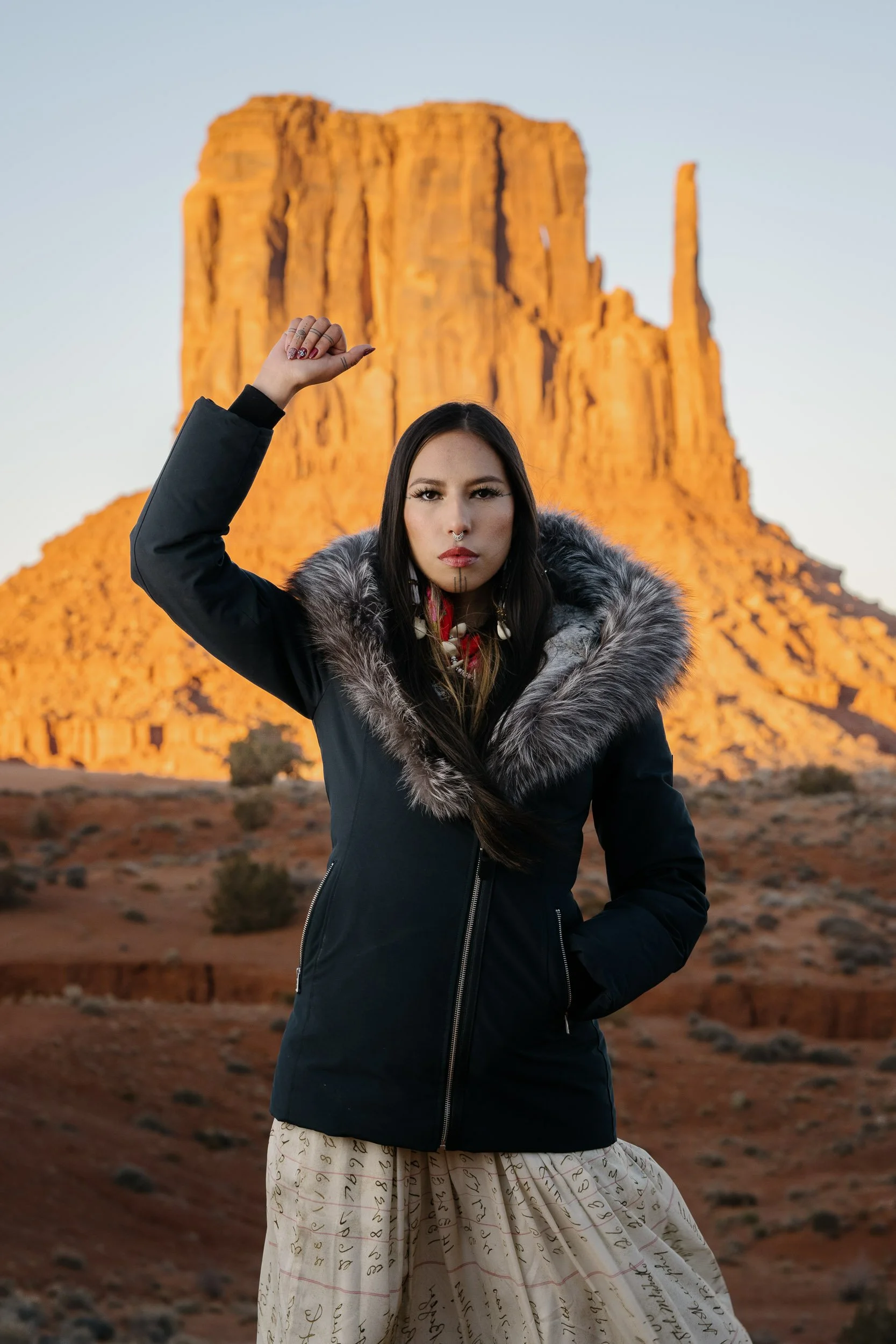
Quannah Chasinghorse
QUANNAH CHASINGHORSE (Foreword) is a Gwich’in supermodel and activist. Quannah is known for breaking barriers in the fashion industry while using her platform to advocate for Indigenous rights, climate justice, and representation for Indigenous people.
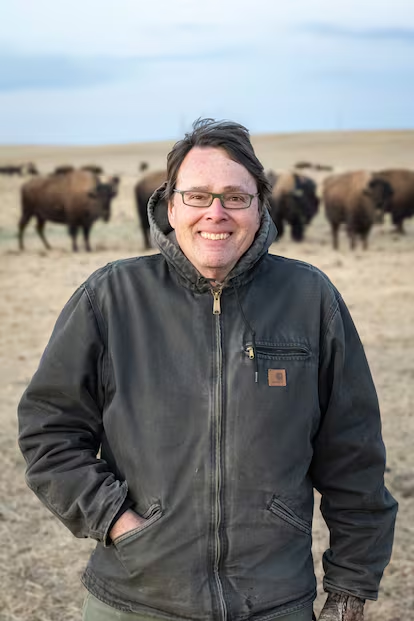
Charles C. Mann
CHARLES C. MANN (Essay Contributor) is the award-winning author of 1491. He has worked with Kiliii on a National Geographic article on the topic of sovereignty, and is an acclaimed writer, Indigenous peoples' ally, and National Geographic Explorer.
Gleb Raygorodetsky
GLEB RAYGORODETSKY (Essay Contributor) is a contributing writer to a special issue of National Geographic dedicated to this topic under the same name: Guardians of Life.
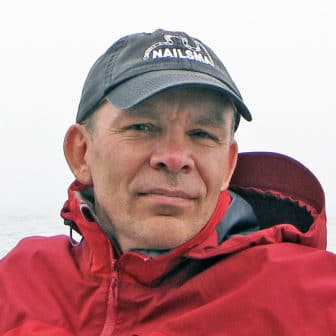
Including an additional two dozen Indigenous voices and contributions to the epilogue from
Erjen Khamaganova
Elder of the Buryat-Mongolian Khongoodor and Sagaan clans, and a member of Council of Elders of the World Union of Indigenous Spiritual Practitioners
Tommy Esang Remengesau Jr.
Palauan politician. Tommy served as the Palauan president between 2001-2009 and 2013-2021
Lisa Morehead-Hillman
Karuk/Yurok traditional basketweaver
Leaf Hillman
Natural Resources & Environmental Policy Director with the Karuk Tribe
GUARDIANS
Indigenous Practices and Knowledge in Guardians of Life Include:
Alaska, Restoring whales
How the Iñupiaq used millennia of knowledge to triple their numbers
Palau, Taking care of the sea
Palauans have sustained themselves and their ecosystems by drawing on long-held values
Ecuador, Upholding the rainforest
Why the Cofán adopted radical, creative new methods to preserve their traditional landscapes
Mongolia, Taking sustainability into the future
Altai peoples bring back ancient beliefs to motivate the hard work of taking care of the land
Australia, Tending with flames
The Djabugay and Dabu Jajikal are teaching outsiders - and the world - the virtues of cool fire
Greenland, Defending Indigenous science
The Inughuit prefer the way of the kayak and dogsled to European-style conservation
California, Returning salmon
Klamath nations fought for decades to remove dams that wrecked their river
Alberta - Montana, Bringing back buffalo
The Siksikaisitapi play lead roles in a pan-Indigenous effort to restore the northern plains
Vancouver Island, Rebuilding Indigenous sovereignty
The Tala-o-qui-aht saved their forests - and themselves - by constructing a park of their own
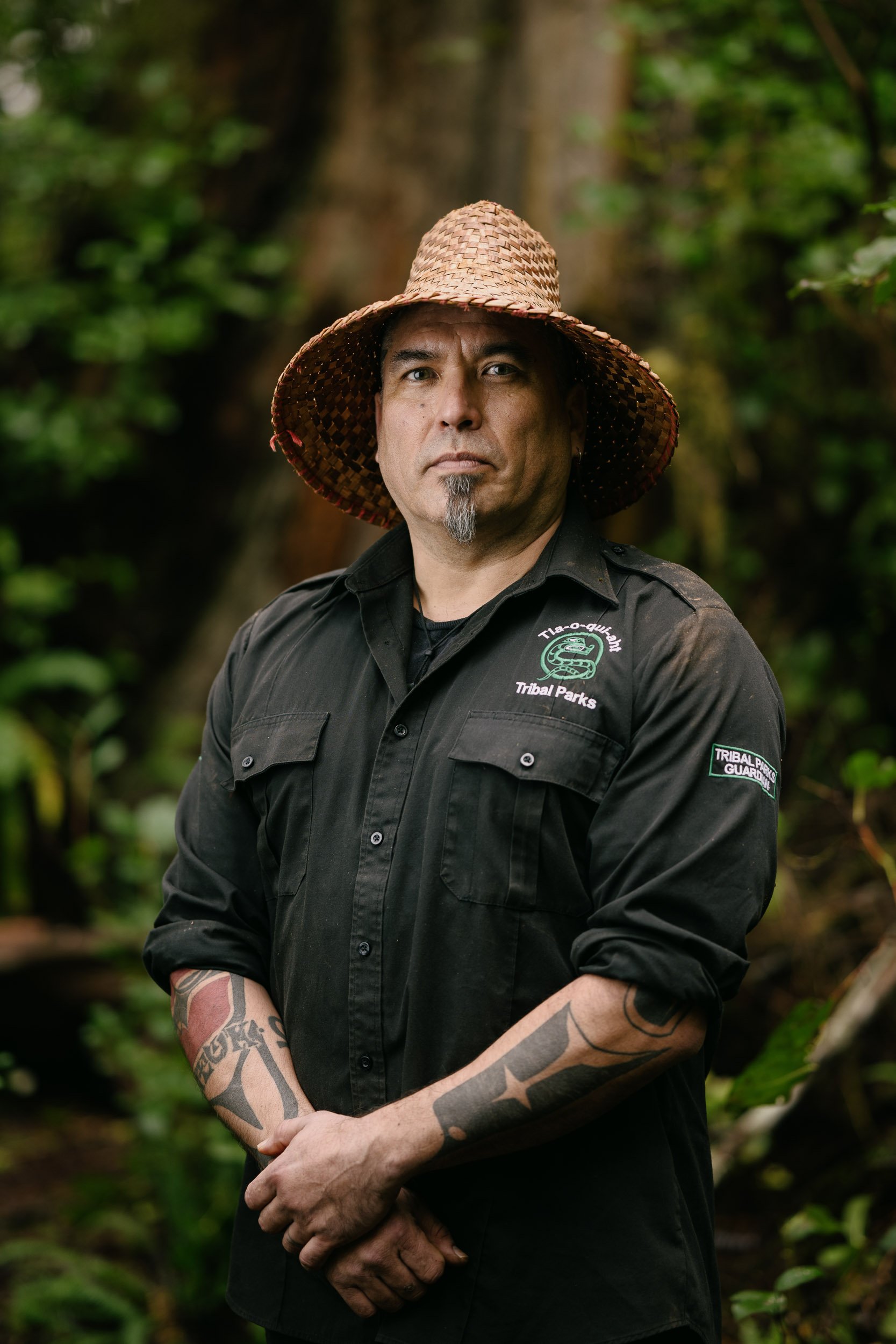
Tia-o-qui-aht lands director Saya Masso
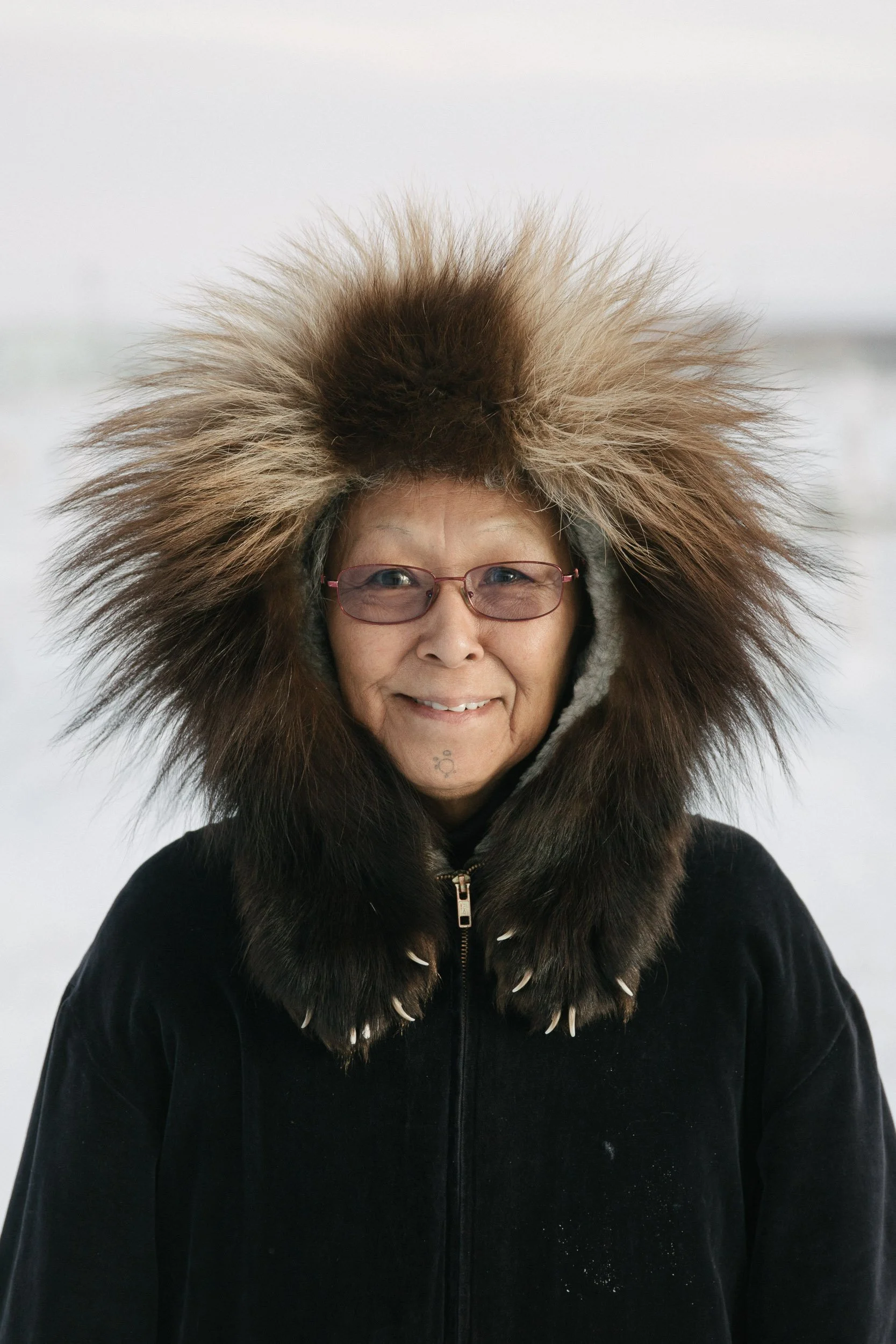
Inupiat educator Fannie Akpik
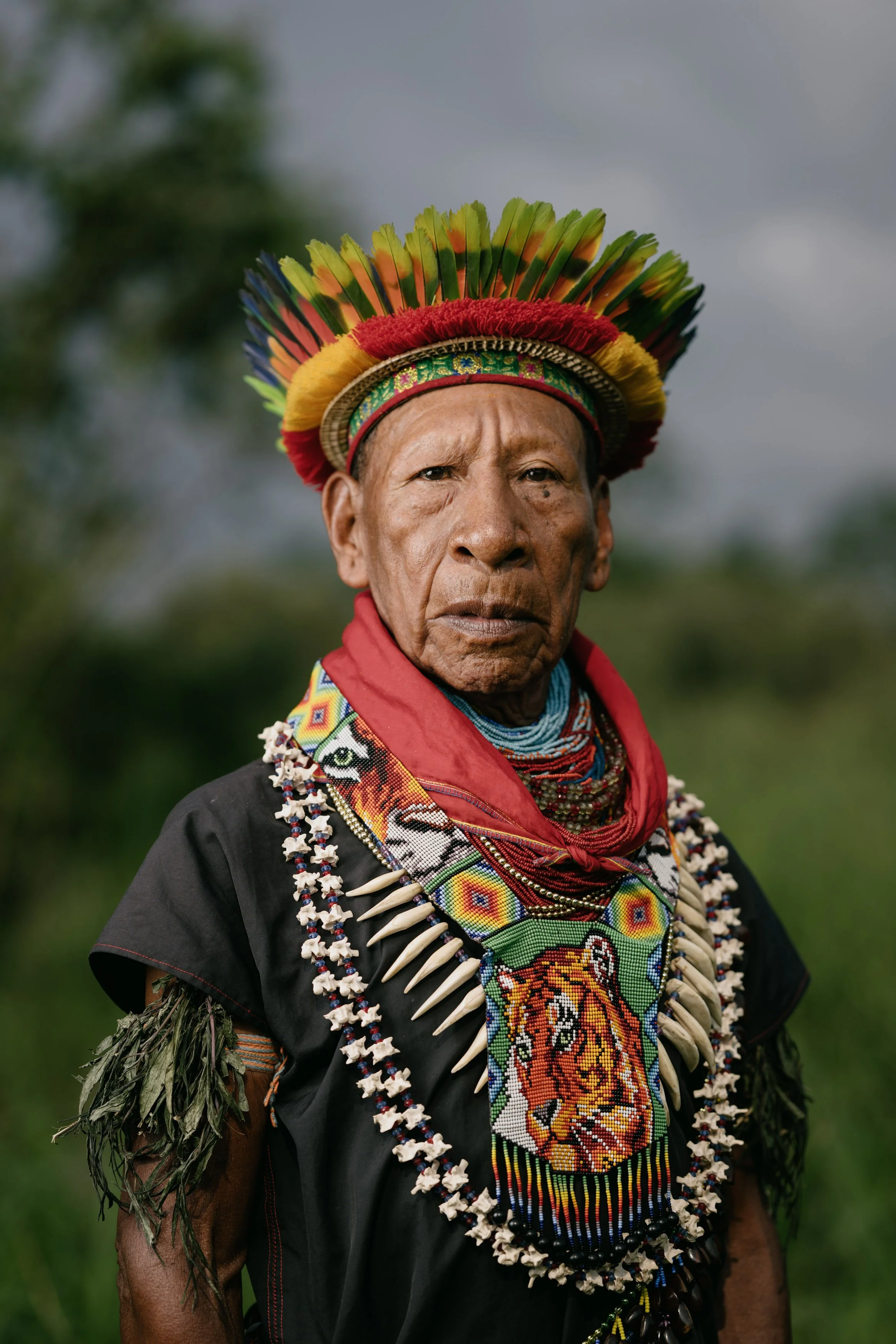
Cofan Shaman Alejandro Criollo
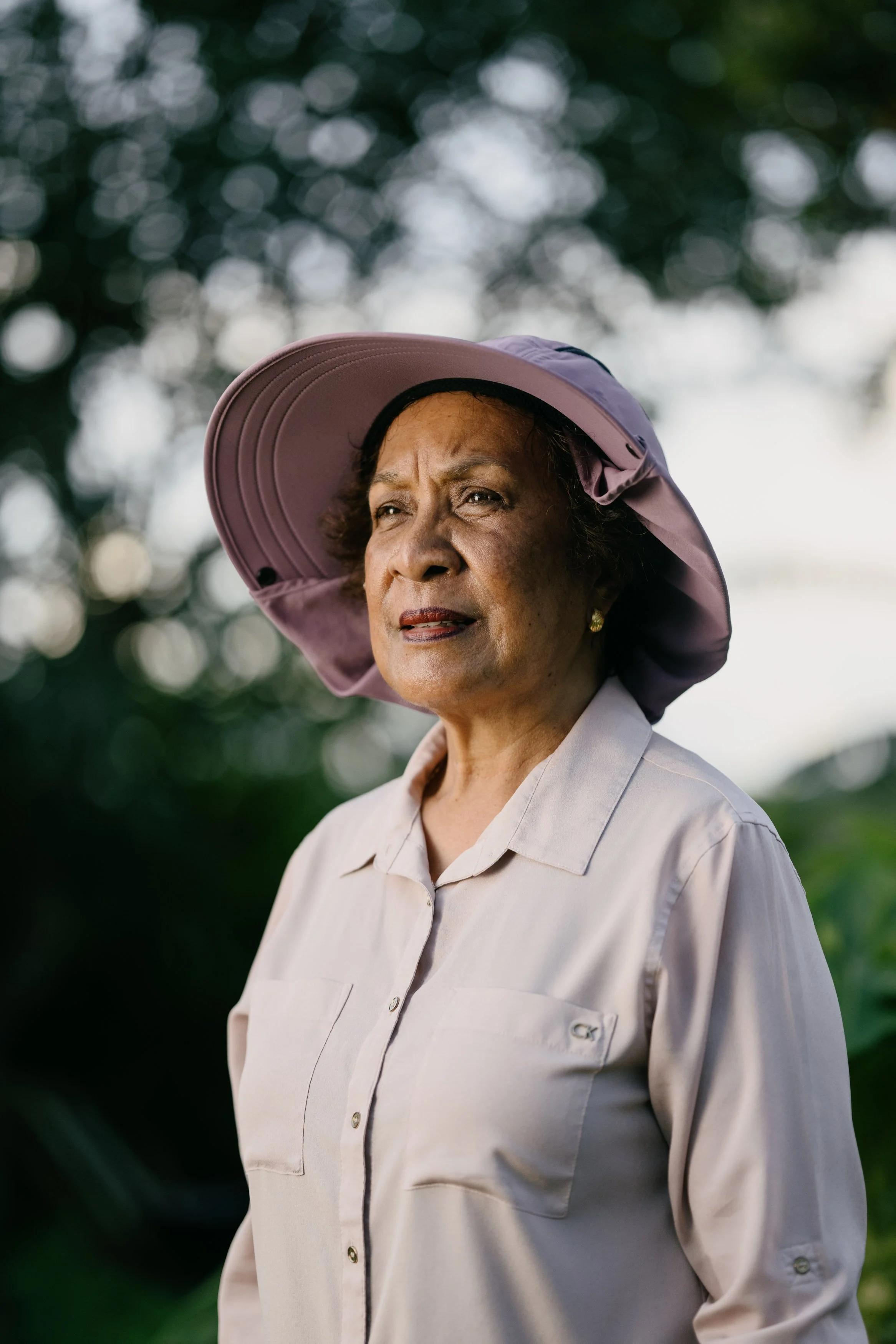
Paulan representative Vicky Kanai